
2025
4(84)
Katarzyna Woszczenko*, Adam Musiuk**
White wooden Orthodox Churches of the Podlaskie Voivodeship:
architecture and theological symbolism of the colour white
DOI: 10.37190/arc250406
Published in open access. CC BY NC ND license
Abstract
The article presents the results of research on the signicance of the theological symbolism of the colour white in the context of Orthodox church
architecture in the Podlaskie Voivodeship. The analysis was carried out on the basis of manuscript sources, academic literature, private communications,
online materials, and a photographic eldwork of selected buildings. The study encompassed seven Orthodox churches and chapels located in Białystok,
Hajnówka, Lewkowo Stare, Miękisze, Ryboły (Pietraszki sacred forest site), Stawiszcze and Wygoda. Both the dates of their construction and the changes
in façade colour schemes over time were taken into account. The ndings indicate that, while in secular architecture the colour white primarily fullls
an aesthetic function, in sacred architecture it refers to deeply rooted theological symbolism associated with God, Jesus Christ, and the concept of the
church as the house of God. Particularly signicant is its association with St Michael the Archangel, who is sometimes depicted in iconography wearing
white robes. It was further observed that white occurs more frequently in the architectural elements of Orthodox churches with façades of other colours.
The authors emphasise that, in the design of new Orthodox churches, tradition and colour symbolism should be taken into consideration, as they are of
signicance not only for the theological aspect but also for the architectural one.
Key words: cultural heritage, architecture, Orthodox Church, theology, symbols
Introduction
As Wojciech Michera observes, […] colours are like
illnesses – everyone experiences them, everyone considers
themselves an expert, yet in reality, very little can be said
about them with certainty (1987, 83–114). Architects, as cre-
ators of the spaces that surround us, are inuenced by colour,
which undoubtedly plays a crucial role in shaping, organis-
ing, and sustaining these environments. Architects’ attitudes
towards colour appear to be both subjective and varied.
According to Krzysztof Ludwin, this attitude was still ra
ther restrained only a few years ago (2017, 7, 8, 96), where-
as Maria Wojtysiak emphasises the signicance of colour as
an inherent component of architecture (2003). In her doctor-
al dissertation, Justyna TarajkoKowalska notably points to
the rich chromatic tradition of Poland (2005, 2). Numerous
further examples could be provided; however, it is essential
to recognise that an understanding of colour appears to be
of particular importance in architectural practice, especially
in the design of sacred buildings.
In secular architecture, façade colour primarily serves
an aesthetic function and largely depends on the designer’s
personal judgement. In contrast, in the case of religious
structures – particularly those of Orthodox Christianity
– co lour often derives from theological foundations and
may signicantly inuence conceptual and formal design
decisions.
Scope and content of the research
The Podlaskie Voivodeship is characterised by the high-
est concentration of Orthodox churches in Poland. Within its
boundaries are located two dioceses
1
: the BiałystokGdańsk
1
A diocese is an administrative unit of the Polish Autocephalous
Orthodox Church. In Poland, there are six dioceses, each covering the
territory of several voivodeships or geographical regions, which is re-
ected in their names.
* ORCID: 0000000154429994. Faculty of Architecture, Bia ly
stok University of Technology, Poland, email: k.woszczenko@pb.edu.pl
** ORCID: 0000000196859597. Faculty of Architecture, Bialy
stok University of Technology, Poland.
66 Katarzyna Woszczenko, Adam Musiuk
and the WarsawBielsk dioceses. The region is home to nu-
merous wooden Orthodox churches with façades painted in
a variety of colours, including blue (Woszczenko, Musiuk
2023), brown, green (Woszczenko 2023), beige, and white.
The ongoing research, the results of which are being
suc cessively published, encompasses all wooden Orthodox
churches situated in the Podlaskie Voivodeship. The present
article focuses on those churches whose façades are white.
In analysing the rationale behind the choice of white, par-
ticular emphasis is placed on the theological aspect, which
plays a signicant role in shaping both the exterior and in-
terior nishes of Orthodox sacred architecture. The term
“white” has a broad meaning across dierent languages
and may encompass a range of shades – from light yellow
through beige and white to grey (Forstner 1990, 115, 116).
The present study concerns churches that are distinctly
white, while those with lighter façades will be discussed in
a sub sequent publication.
Archival and eld research (September 2023–August
2025), together with multiple photographic eldwork (March
2023–October 2025), have enabled the identication of all
white Orthodox churches in the region. The following sec-
tion presents a catalogue of these buildings, accompanied
by key data, followed by an examination of the hypothesis
regarding the theological inuence on the choice of façade
colour and its relevance to contemporary design.
The study of white wooden Orthodox churches in the
Podlaskie Voivodeship was undertaken due to the clear lack
of research on this subject and constitutes a continuation of
earlier research (Woszczenko, Musiuk 2023; Woszczenko
2023).
State of research
The principal focus of this article is the inuence of the-
ology on the use of colour in the design of wooden Ortho-
dox churches in the Podlaskie Voivodeship. Several pub-
lications have addressed related themes, including a study
by Katarzyna Woszczenko and Adam Musiuk on the sym-
bolism of the colour blue (Woszczenko, Musiuk 2023) and
a separate work by Katarzyna Woszczenko devoted to the
symbolism of the colour green (Woszczenko 2023).
A church represents a synergy of theology and architec-
ture; it is both the House of God and a building intended
for religious worship (Musiuk 2016). Nevertheless, in exist-
ing studies these two areas are often treated separately. The
present research draws upon texts concerning colour theory,
theological concepts, and architectural studies in a broad
sense. Publications on the study of colour (Libera 1987; Kai-
ser, Boynton 1996) focus on human perception and the lin-
guistic semiotics of colour. Theological works and primary
sources (Patrologia Graeca 1865; Bazyli Wielki 1972; Na
stol na ja kniga swiaszczennosłużytiela 1983; Forstner 1990;
Baldock 1993; Quenot 1997; Radziukiewicz 2001; Ev do ki
mov 2003; Pismo Święte 2004; Skibińska 2018) concern the
Orthodox Christianity, Church teachings, and iconography.
The study also draws on works related to sacred architec-
ture (Kuprianowicz, Hawryluk 1989; Sasna 1990; Brykow
ski 1995; Sosna 2000; Kabac 2007; Kazimiruk 2014; Mu-
siuk 2016; Woszczenko, Musiuk 2023; Woszczenko 2023),
as well as historical (Powieść minio nych lat 2005) and psy-
chological publications (Progo 1953), alongside terminolo
gical dictionaries (KubalskaSul kiewicz, BielskaŁach and
ManteuelSzarota 2003; Przyczyna, Czarnecka and Ła wre
szuk 2022). Additional sources include online materials (the
website orthodox.pl) and interviews with Orthodox priests.
Given the evident shortage of interdisciplinary studies
combining theological and architectural perspectives, this
research was undertaken to provide insights that may assist
architects involved in designing wooden Orthodox churches
in the Podlaskie Voivodeship.
Overview of the research
The colour white
The colour white is sometimes described as the absence
of colour; however, Newton’s theory of colour demonstrates
that it is, in fact, a mixture of coloured rays (Kaiser, Boynton
1996, 12–16). White is generally understood as a pure shade,
free from admixtures of grey or black (Libera 1987) – this is
how it is perceived by a typical observer. In Greek, the term
λευκος (leukos) denotes the colour white with a very broad
spectrum, encompassing shades from light yellow through
beige and white to grey (Forstner 1990, 115, 116).
In the light of the above, the topic has been divided into
two separate studies. The present article focuses exclusive-
ly on white wooden Orthodox churches in the Podlaskie
Voivodeship, whereas a subsequent publication will address
churches with lightcoloured façades falling within the
aforementioned spectrum.
Theological aspects determining the image
of white orthodox churches
A church is regarded as an earthly heaven, and in these
heavenly spaces God dwells and walks among people – these
striking words of Patriarch German I underscore the ex-
traordinary signicance of the Christian temple and are
cited in numerous theological studies (Patrologia Graeca
1865, 384). The Byzantines approached space as the dwell-
ing of God, engaging in architectural exploration aimed at
reconciling the human with the transcendent and innite re-
ality of God. According to historical accounts, the envoys
of Prince Vladimir of Kiev, after visiting Constantinople,
reported: We did not know whether we were in heaven or
on earth; for there is no spectacle or beauty on earth com-
parable to this, and we cannot describe it, only that God
dwells there among people (Powieść minionych lat 2005,
95–97). The concern here was not merely aesthetic; it was
about the presence of God among people, which is inher-
ently beautiful, uplifting the soul, and inspiring awe. The
Church Fathers consider Divine Beauty a fundamental bib-
lical and theological concept; thus, the beauty of the visible
world is extended into the beautiful and good immaterial
reality (Evdokimov 2003, 29).
A symbol expresses something mysterious; its existence,
while beyond intellectual comprehension, can be experi-
enced as simultaneously intimate and distant. Sensory ex-
perience merges with spiritual or subconscious perception

White wooden Orthodox Churches of the Podlaskie Voivodeship
67
(Baldock 1993, 11–13). Humans have a tendency to under-
stand the world rationally, yet, as Carl Gustav Jung argues,
they suer from a hunger for symbols (Progo 1953, 184–
187, 292). Symbolism in the Orthodox church is multifac-
eted and complex. Within the temple, two natures coexist:
the material, experienced through the senses, and the spiri-
tual, apprehended through symbols (Radziukiewicz 2001).
Icons in Orthodox churches facilitate the transition from the
material to the spiritual world through their intricate beau-
ty, colour symbolism, numerology, and iconographic signs.
Their colours are not mere decoration but constitute a mys-
tical language expressing the spiritual realm (Quenot 1997,
93–96).
Visually, white appears as the absence of colour, and is
therefore associated with lightness (Sendler 1988, 153, 154).
White may symbolise the Creator in glory, as the source of
all things, and His Divine energy, accessible to human un-
derstanding. It is associated with light and the penetrating il-
lumination of God (Hart 2015, 169, 170). Numerous passag-
es in the Holy Bible refer to white. At the Transguration on
Mount Tabor, the clothing of [Jesus] became white as light
(Mt 17:2; Mk 9:3; Lk 9:29)
2
. Similarly, the Evangelists de-
scribe the garments of the angels present at the Resurrection
and Ascension of Christ (Mt 28:3; Mk 16:5; Jn 20:12;
Acts
1:10). The Book of Revelation contains the most referenc-
es to white, where it symbolises perfect purity, victory, and
eternal glory: the twentyfour Elders are clothed in white
(Rev 4:4), as is the great multitude, beyond numbering (Rev
7:9); the Bride of the Lamb – the Church – is arrayed in
pure, white, shimmering byssus
3
, signifying the righteous
deeds of the saints (Rev 19:8; 3:4; 6:2; 15:6; 19:11–14)
(Forstner 1990, 115), particularly referring to martyrs.
The colour white carries multiple symbolic meanings:
purity, Divine teaching and knowledge, as well as joy and
happiness (Hart 2015, 169, 170; Quenot 1997, 96–98). In
Isaiah’s vision, God says: Your sins shall be as white as
snow; they shall become as white as wool (Isa. 1:18), refer-
ring to white as a symbol of victory over sin. As a sign of
freedom from sin and spiritual enlightenment, individuals
receiving baptism are clothed in white garments (Quenot
1997, 98). In early Christianity, the deceased were often bur-
ied in baptismal garments (Forstner 1990, 445). The Gospel
describes: Joseph took the body [of Jesus] and wrapped it
in a clean linen shroud (Mt 27:59). According to St Basil
the Great, the white baptismal garment, which adorns us
in heaven, conceals our humanity, overcoming corporeal
mortality and enfolding what is mortal in the indestructible
(Bazyli Wielki 1972). Today, this tradition persists only par-
tially: although the deceased are covered with white shroud,
baptismal garments are rarely used. This illustrates the am-
bivalence of the colour white (Sendler 1988, 153, 154), as
its symbolism relates both to life and rebirth, as well as to
death and transience.
2
Biblical quotations translated into English come from the edition:
Pismo Święte (2004).
3
Byssus (sea silk) – a valuable white fabric made from the silky
threads produced by the rapidly coagulating secretion of molluscs, used
in antiquity and the Middle Ages, primarily in the area around Tarentum
(KubalskaSulkiewicz, BielskaŁach and ManteuelSzarota 2003, 45).
As previously noted, white also symbolises joy and fes-
tive occasions; Ecclesiastes encourages the enjoyment of
life: Let your garments always be white (Eccl. 9:8).
In iconography, white robes are primarily associated
with angels and with Jesus Christ on icons depicting, among
others, the Transguration, the Harrowing of Hell, the Res-
urrection, and the Ascension. White also represents the dove
symbolising the Holy Spirit (Sendler 1988, 153, 154; Hart
2015, 169, 170).
The origin of the white robe of angels is related to their
function. Their primary task is the glorication of God the
Father. In His presence, they worship Him, serve Him, and
participate in His governance of the world. Constantly in
His presence, they extol His glory and majesty. They act as
messengers of God (e.g., St Archangel Gabriel announcing
the Good News to the Mother of God – Lk 1:3031), pro-
tectors, comforters strengthening faith, intercessors before
God for humanity, deacons, or envoys conveying God’s
mercy to the righteous and His wrath to the wicked (e.g., St
Ar changel Michael
4
leading the heavenly hosts against Sa-
tan and his followers, Jud 9; Rev 12:7; see Skibińska 2018).
The functions of angels are therefore directly linked to the
Creator, and thus to His light.
In the Orthodox Church, particular feasts are associated
with dierent colours. White accompanies feasts dedicated to
Jesus, primarily the Feast of Feasts
5
– Pascha – as well as
feasts of St John the Baptist, the sacraments of baptism and
marriage, and funeral liturgy. During these occasions, clergy
wear white vestments (OCS: obłaczenije
6
; Nastolnaja kniga
swiaszczennosłużytiela 1983). Within the church interior, de
corative white cloths are placed on lecterns (OCS: anałoj
7
).
Observations indicate that some faithful also wear white when
participating in services on the Feast of the Resurrection.
Orthodox churches
of the Podlaskie Voivodeship
Wooden sacred architecture holds an important place in
the history and landscape of the Podlaskie Voivodeship, due
to the ready availability of timber as a building material, the
prevalence of carpentry craftsmanship, and the multireli-
gious character of the region. This topic has been described
in more detail in studies on green Orthodox churches (Wo-
szczenko 2023) and blue Orthodox churches (Woszczenko,
Musiuk 2023); consequently, the present article provides
only a concise overview.
4
The white colour of the garments in depictions of St Archangel
Michael does not appear consistently; nevertheless, there are numerous
examples of icons that feature it.
5
Pascha, also known as the Resurrection of Jesus Christ, is re-
ferred to as the feast of feasts, as it is the most important celebration in
the Orthodox Church (Przyczyna, Czarnecka and Ławreszuk 2022, 340,
341, 442, 489).
6
Obłaczenije – a liturgical vestment, one of the garments worn
by a clergyman during the performance of a religious service, in Old
Church Slavonic (OCS) (Przyczyna, Czarnecka and Ławreszuk 2022,
433).
7
Anałoj – a type of lectern in an Orthodox church, on which a dec-
orative cloth is placed, together with an icon and/or a cross, the Gospel
book, or other liturgical texts (Przyczyna, Czarnecka and Ławreszuk
2022, 87).

68 Katarzyna Woszczenko, Adam Musiuk
The research focused on Orthodox churches and chapels
constructed in wood, with façades painted white.
Methods
The research was conducted in several stages. It began
with an examination of the records of the Voivodeship Of-
ce for the Protection of Monuments in Białystok, a process
that has been ongoing continuously since October 2022.
A total of 113 structures meeting the established criteria
were analysed – wooden Orthodox churches and chapels
– a gure reecting the state of research as of October 2025.
The task proved demanding, as not all buildings are listed in
the heritage register, while some were identied only during
photographic eldwork.
During the course of this process, it was observed that
the surveyed buildings could be clearly grouped according
to the colour of their façades. The structures were catego-
rised into the following colour ranges: blue, green, brown,
and the lightest, whitish tones (white, beige, pale yellow).
It was also noted that certain buildings had changed colour
over the course of their existence. Previous studies focused
on blue and green churches, whereas the present research
concentrated on those with lightcoloured façades, which
were further divided into two categories – white and light.
In the subsequent stage, basic information concerning
the white buildings was compiled, and changes in the colour
of their façades were recorded (Table 1). Another compo-
nent of the research involved photographic documentation,
carried out intermittently between March 2023 and October
2025, accompanied by an assessment of the current condi-
tion of the buildings. The nal stage consisted of comparing
the number of white churches with that of buildings fea-
turing other façade colours among the wooden Orthodox
churches of the Podlaskie Voivodeship.
Results
Below are presented the parish churches, cemetery church-
es, and chapels of Podlaskie Voivodeship with dierent
functions, built at various times. The criterion for selecting
the buildings for the study was the colour of their façades
– white
.
Orthodox churches have a tripartite interior: from the
main entrance, there is the narthex for catechumens and pen-
itents, followed by the nave for the faithful, and the sanctu-
ary for the clergy (Brykowski 1995, 19–22). The tripartite
division of the interior is often visible externally in the shape
of the building. The churches analysed are oriented
8
.
The research demonstrated that, at present
9
, only
the fol-
lowing buildings possess purely white façades: the temporary
8
Orthodox churches are oriented, which means that the sanctuary
is located on the eastern side and faces east.
9
State of research as of October 2025.
Table 1. Wooden Orthodox churches of the Podlaskie Voivodeship that currently or previously had white façades (elaborated by K. Woszczenko,
based on: Kabac 2007; Sosna 2000, 201–202, 219–223, 413–417; Kuprianowicz, Hawryluk 1989, 4; Sasna 1990, 4; Kazimiruk 2014; orthodox.pl;
interviews with Orthodox priests: Fr. Adam Jakuc from the parish of St John the Theologian in Białystok, September 29, 2023;
Fr. Jarosław Łojka, parish priest of the Nativity of St John the Baptist in Pasynki, October 3, 2025; Fr. Adam Ostapkowicz, parish priest
of the Protection of the Mother of God in Zubacze, October 9, 2023; Fr. Jan Romańczuk, parish priest of the Nativity of St John the Baptist
in Hajnówka, October 10, 2023)
Tabela 1. Badane drewniane cerkwie województwa podlaskiego mające obecnie i w przeszłości elewacje w kolorze białym (oprac. K. Woszczenko,
na podstawie Kabac 2007; Sosna 2000, 201–202, 219–223, 413–417; Kuprianowicz, Hawryluk 1989, 4; Sasna 1990, 4; Kazimiruk 2014;
orthodox.pl; ozmowy z księżmi prawosławnymi: ks. Adamem Jakucem z parafii pw. św. Jana Teologa w Białymstoku, 29.09.2023;
ks. Jarosławem Łojką, proboszczem parafii pw. Narodzenia św. Jana Chrzciciela w Pasynkach, 3.10.2025; ks. Adamem Ostapkowiczem,
proboszczem parafii pw. Opieki Matki Bożej w Zubaczach, 9.10.2023; ks. Janem Romańczukiem, proboszczem parafii pw. Narodzenia
św. Jana Chrzciciela w Hajnówce, 10.10.2023)
Locality Function Dedication Built* Former façade colour Current façade colour
Białystok
temporary
parish church
St John the Theologian 2007** – white
Hajnówka cemetery church All Saints 1952/1953
white
(before renovation in 2017–2018)
natural wood
with a warm tone
Lewkowo Stare parish church Saints Peter and Paul XVIII
white
(before renovation in 2018)
beige
Miękisze chapel
Icon of the Mother
of God Life-Giving Spring
2022 –
white with blue
elements
Ryboły
(uroczysko Pietraszki)
chapel
Icon of the Mother
of God Life-Giving Spring
1926
white with blue elements
in October 2020
natural wood
with a warm tone
Stawiszcze cemetery church
Miracle of St Michael the
Archangel
1965
white
(before renovation in 2021)
white (plaster)
Wygoda cemetery church Transfiguration of Jesus 1840
white
(before renovation in 2013–2014)
natural wood
with a warm tone
* The construction date is presented in three formats, depending on the source: as the specific year of completion, the period of construction, or
the approximate age of the building.
**
The year of construction given refers to the date of reconstruction in the current parish. The building originally belonged to the Hajnówka Forest
District and later served as a temporary church, among other locations, in Hajnówka, Czyże, and the Nowe Miasto district in Białystok.
White wooden Orthodox Churches of the Podlaskie Voivodeship
69
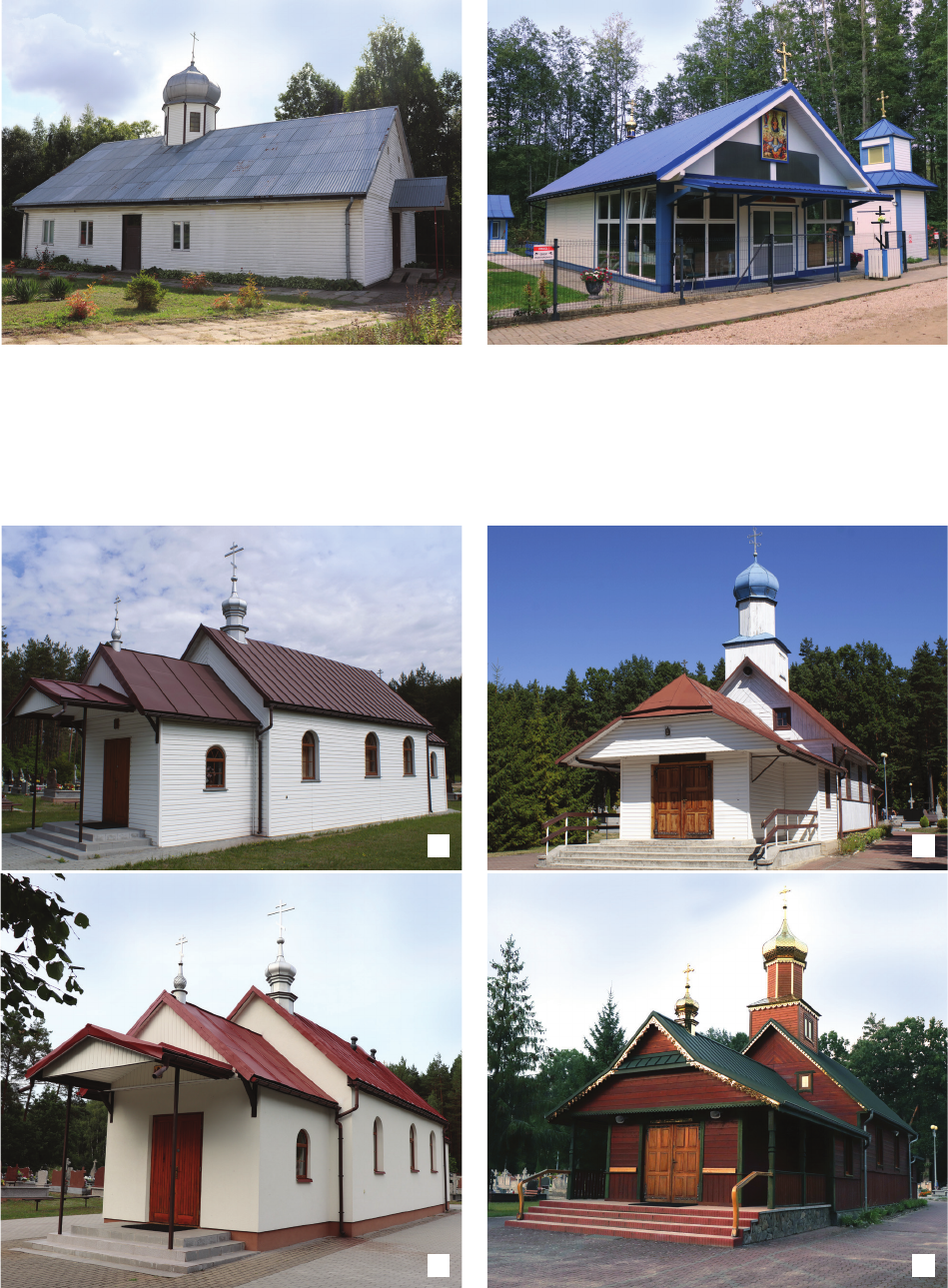
Fig. 1. Temporary Orthodox parish church of St John the Theologian
in Białystok, September 2023 (photo by K. Woszczenko)
Il. 1. Tymczasowa cerkiew parafialna pw. św. Jana Teologa
w Białymstoku, wrzesień 2023 (fot. K. Woszczenko)
Fig. 3. Orthodox chapel of the Icon of the Mother of God LifeGiving
Spring in Miękisze, October 2025 (photo by K. Woszczenko)
Il. 3. Kaplica pw. Ikony MB Życiodajne Źródło w Miękiszach,
październik 2025 (fot. K. Woszczenko)
Fig. 2. Orthodox cemetery church of the Miracle of St Michael
the Archangel in Stawiszcze: a) May 2016 (photo by J. Karcz),
b) August 2023 (photo by K. Woszczenko)
Il. 2. Cerkiew cmentarna pw. Cudu św. Michała Archanioła
w Stawiszczach: a) maj 2016 (fot. J. Karcz),
b) sierpień 2023 (fot. K. Woszczenko)
Fig. 4. Orthodox cemetery church of All Saints in Hajnówka:
a) August 2015 (photo by J. Karcz),
b) August 2023 (photo by K. Woszczenko)
Il. 4. Cerkiew cmentarna pw. Wszystkich Świętych w Hajnówce:
a) sierpień 2015 (fot. J. Karcz),
b) sierpień 2023 (fot. K. Woszczenko)
a a
b b

70 Katarzyna Woszczenko, Adam Musiuk
Fig. 5. Orthodox cemetery church of the Transfiguration of Jesus near
the village of Wygoda: a) October 2010 (photo by G. Kossakowski,
source: http://www.ciekawepodlasie.pl/opis/1085,Cerkiew+cmentar-
na+p.w.+Przemienienia+Pa%C5%84skiego.htm, accessed September
23, 2023), b) September 2023 (photo by K. Woszczenko)
Il. 5. Cerkiew cmentarna pw. Przemienienia Pańskiego
w pobliżu wsi Wygoda: a) październik 2010 (fot. G. Kossakowski,
źródło: http://www.ciekawepodlasie.pl/opis/1085,Cerkiew+cmentar-
na+p.w.+Przemienienia+Pa%C5%84skiego.htm, dostęp 23.09.2023),
b) wrzesień 2023 (fot. K. Woszczenko)
Fig. 6. Orthodox chapel at the Pietraszki sacred forest site
near the village of Ryboły: a) September 2020 (photo by J. Chruścicki),
b) November 2024 (photo by K. Woszczenko)
Il. 6. Kaplica na uroczysku Pietraszki w pobliżu wsi Ryboły:
a) wrzesień 2020 (fot. J. Chruścicki), b) listopad 2024 (fot. K. Woszczenko)
parish Orthodox church
10
of St John the Theologian in Bia
łystok (Fig. 1) and the cemetery Orthodox church in Sta
wiszcze (Fig. 2). The Orthodox chapel in Miękisze (Fig. 3)
is white with blue elements on its façades. In the past,
white façade nishes were present on the cemetery Ortho-
dox churches: in Hajnówka (Fig. 4) and near the village of
Wygoda (Fig. 5), as well as on the chapel at the Pietraszki
sacred forest site near the Ryboły (Fig. 6) and the parish
Orthodox church in Lewkowo Stare (Fig. 7).
10
It currently serves as a parish church, fullling this function until
the completion of the proper church building. Previously, the building
functioned as the parish church of St George the Victorious in Białystok,
in the Nowe Miasto district.
a
b
a
b

White wooden Orthodox Churches of the Podlaskie Voivodeship
71
Fig. 7. Orthodox parish church of Saints Peter and Paul in Lewkowo Stare:
a) July 2013 (photo by K. Maciejewska), b) July 2023 (photo by K. Woszczenko)
Il. 7. Cerkiew parafialna pw. św. Piotra i Pawła w Lewkowie Starym:
a) lipiec 2013 (fot. K. Maciejewska), b) lipiec 2023 (fot. K. Woszczenko)
ly have façades in shades of white (8.9% of the total), includ-
ing one temporary parish church, two parish churches, ve
cemetery churches, and two chapels. Of these, seven can be
classied as distinctly white, either at present or historically.
Only two currently have purely white façades, while one fea-
tures a white façade with blue architectural elements. It may
be presumed that practical considerations account for this
pattern, as white exteriors tend to deteriorate and become
soiled relatively quickly.
Considering buildings that were white in the past, the
total rises to 14, representing 12.5% of all wooden Ortho-
dox churches recorded up to October 2025. Nevertheless,
white architectural elements frequently appear on the fa
çades of churches painted in other colours, particularly
blue. Tombstones in cemeteries are also occasionally paint
ed white.
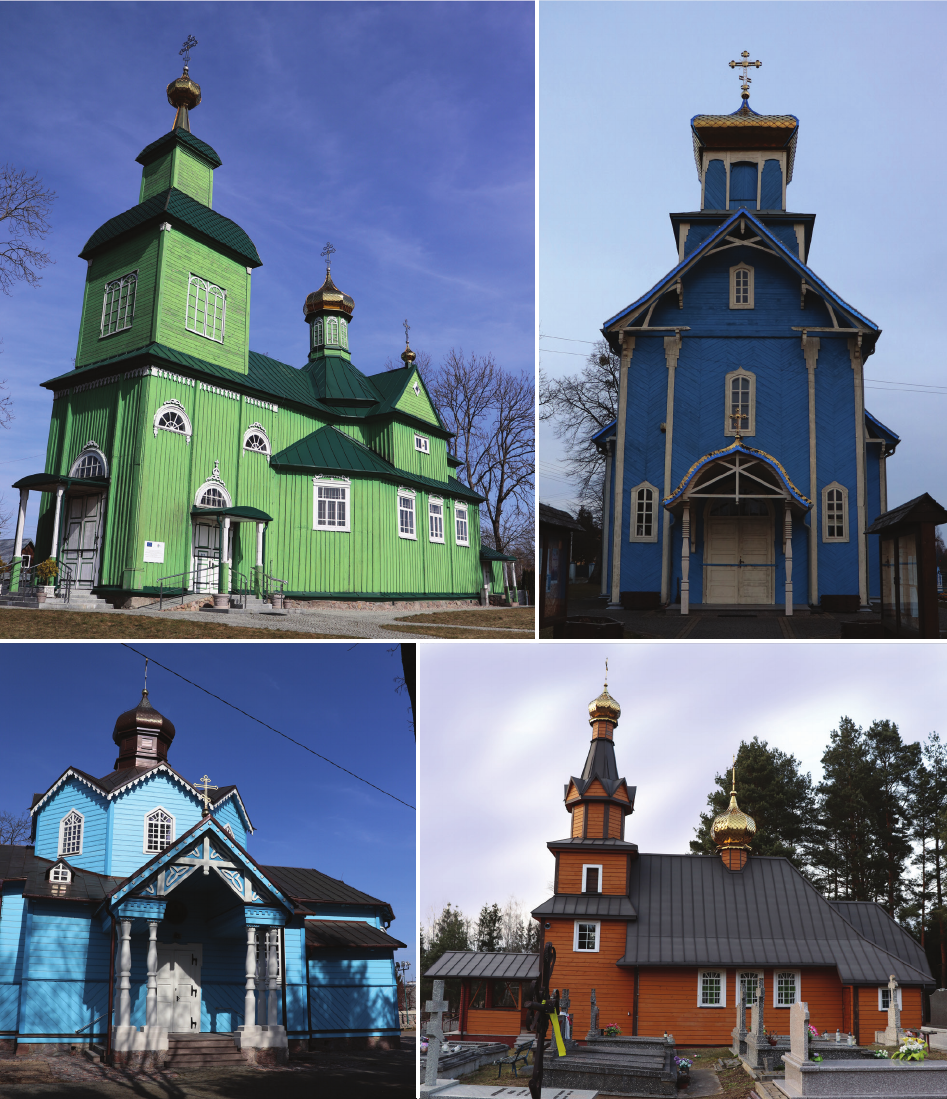
White is frequently used in the architecture of wooden
Orthodox churches in the Podlaskie Voivodeship for ele-
ments such as vertical corner boarding, window and door
frames, and the surrounding woodcarving decorations. It is
also applied to woodcarving decorations under the eaves,
at the gables, and to the posts supporting entrance canopies
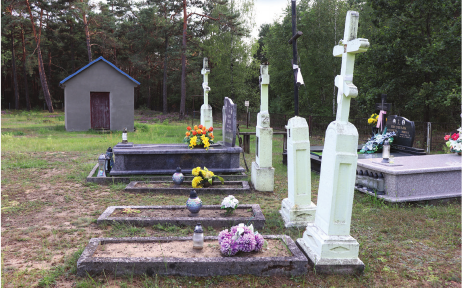
(Fig. 8). During the research and photographic eldwork,
individual whitewashed gravestones were also noted in the
cemetery, for example in Czeremcha Wieś (Fig. 9) and near
the village of Wygoda.
Conclusions
Research conducted up to October 2025 indicates that
there are 113 wooden Orthodox churches and chapels in the
Podlaskie Voivodeship. Among these, ten structures current-
a b
72 Katarzyna Woszczenko, Adam Musiuk
The surveyed buildings are dedicated to various saints. In
Orthodox Christianity, the colour white is associated with the
Resurrection of Christ, and indeed every Orthodox church is
in some way identied with the Resurrection. The theological
symbolism of this colour is extensive, yet closely connected
with God and with Jesus Christ. It may therefore be inferred
Fig. 8. Examples of wooden Orthodox churches in the Podlaskie Voivodeship,
featuring façades in different colours with white architectural elements
(photos by K. Woszczenko)
Il. 8. Przykłady drewnianych cerkwi województwa podlaskiego w różnych kolorach elewacji z białymi detalami
(fot. K. Woszczenko)
that white is suitable for churches dedicated to all saints, as
well as for the very concept of the church as the House of
God. Particular attention should be given to the cemetery
church in Stawiszcze, whose patron is Saint Archangel Mi-
chael, who is often depicted wearing garments incorporating
elements of white – a characteristic feature of angels.
White wooden Orthodox Churches of the Podlaskie Voivodeship
73
Summary
The results of the research provide strong evidence sup-
porting the thesis that the use of white in the architecture of
wooden Orthodox churches is rooted not only in aesthetic
considerations but also in theological symbolism. White is
primarily associated with God and Jesus Christ. Given its
rich and profound symbolic meaning, the use of this colour
should be carefully considered in the design of façades,
architectural elements, and interiors of wooden Orthodox
churches.
Translated by
Katarzyna Woszczenko
Fig. 9. White graves in the cemetery in Czeremcha Wieś
(photo by K. Woszczenko)
Il. 9. Białe nagrobki na cmentarzu w Czeremsze Wsi (fot. K. Woszczenko)
Acknowledgements
The authors wish to express their sincere gratitude to all photographers for
making their images available for this publication, and to the parish priests for
their valuable conversations and time, which greatly enriched the research.
The research was carried out as part of work No. WZ/WA-IA/5/2023 at the
Bialystok University of Technology and nanced from the research subsidy
provided by the minister responsible for science.
References
Baldock, John. Symbolika chrześcijańska. Translated by Jerzy Moderski.
Dom Wydawniczy Rebis, 1993.
Bazyli Wielki. “List 292 (do Palladiosa).” In Bazyli Wielki. Listy. Trans-
lated by Włodzimierz Krzyżaniak. Instytut Wydawniczy PAX, 1972.
Brykowski, Ryszard. Drewniana architektura cerkiewna. Na koronnych
ziemiach Rzeczypospolitej. Towarzystwo Opieki nad Zabytkami, 1995.
Evdokimov, Paul. Sztuka ikony. Teologia piękna. Translated by Maria Żu-
rowska. Wydawnictwo Księży Marianów MIC, 2003.
Forstner, Dorothea. Świat symboliki chrześcijańskiej. Translated by Wanda
Zakrzewska, Paweł Pachciarek, and Ryszard Turzyński. Instytut Wy-
dawniczy PAX, 1990.
Hart, Aidan. Ikona. Podręcznik malarstwa ikonowego i ściennego. Transla-
ted by Ewa Agata Malaga. Wydawnictwo Jedność, 2015.
Kabac, Jan. “Dokumentacja parai Św. Jana Teologa w Białymstoku: Pro-
jekt budowlany. Tymczasowe obiekty paraalne: cerkiew i budynek
socjalnogospodarczy (…).” Białystok, 2007 [Manuscript in the parish
archive of the Orthodox Church of St John the Theologian in Białystok].
Kaiser, Peter K., and Robert M. Boynton. Human Color Vision. Optical
Society of America, 1996.
Kazimiruk, Adrian. “Święto w Nowoberezowie 22.09.2014.” Accessed
September 23, 2023. http://www.typo3.cerkiew.pl/index.php?id=33&tx
_ ttnews%5Btt_news%5D=20954&cHash=fc19acb2d69741b7d-
5f3abf8fdb8dbfa.
KubalskaSulkiewicz, Krystyna, Monika BielskaŁach, and Anna Man-
teuelSzarota. Słownik terminologiczny sztuk pięknych. Wydawnic-
two Naukowe PWN, 2003.
Kuprianowicz, Grzegorz, Jerzy Hawryluk. “Nowa paraa w Hajnówce.”
Krąg 3/4 (October–November 1989): 4.
Libera, Zbigniew. “Semiotyka barw w polskiej kulturze ludowej i w innych
kulturach słowiańskich.” Etnograa Polska 31, no. 1 (1987): 115–38.
Ludwin, Krzysztof. O kolorze w architekturze. Wydawnictwo Politechniki
Krakowskiej, 2017.
Michera, Wojciech. “Wprowadzenie do antropologii barw.” Etnograa
Polska 31, no. 1 (1987): 83–114.
Musiuk, Adam. “Specicity of Designing a House of God in the Light
of the Orthodox Theology.” Elpis 18 (2016): 87–91. https://doi.org/
10.15290/elpis.2016.18.11.
Nastolnaja kniga swiaszczennosłużytiela. Vol. 4. Po błagosłowieniju – Swia
tiejszego Patriarcha Moskowskogo i wsieja Rusi PIMENA. Izdanije
Moskowskoj Patriarchii, 1983.
Orthodox.pl. “Dekanat Bielsk Podlaski.” Accessed September 20, 2025.
https://www.orthodox.pl/administracja/metropolie/diecezjawarszaw
-
skobielska/dekanatbielskpodlaski/.
Patrologia Graeca. Vol. 98. Sts. Germanus I and Tarasius of Constantino-
ple. Jacques Paul Migne, 1865.
Pismo Święte Starego i Nowego Testamentu. Towarzystwo Biblijne w Pol-
sce, 2004.
Powieść minionych lat: najstarsza kronika kijowska. Translated by Franci-
szek Sielicki. Zakład Narodowy im. Ossolińskich, 2005.
Progo, Ira. Jung’s Psychology and Its Social Meaning. The Julian Press,
1953.
Przyczyna, Wiesław, Katarzyna Czarnecka, and Marek Ławreszuk, eds.
Słownik polskiej terminologii prawosławnej. Wydawnictwo Uniwer-
sytetu w Białymstoku, 2022.
Quenot, Michel. Ikona – okno ku wieczności. Translated by Henryk Pa-
procki. Orthdruk, 1997.
Radziukiewicz, Anna. “Cerkiew – okręt płynący ku wschodowi, czyli kilka
uwag o architekturze.” In Prawosławie w Polsce, edited by Anna Ra-
dziukiewicz. Arka, 2001.
Sasna, R. “Carkva u Staviśćach”. Niva 44 (1990): 4.
Sendler, Egon. The Icon. Image of the Invisible. Elements of Theology, Aes-
thetics and Technique. Oakwood Publications, 1988.
Skibińska, Katarzyna. “Funkcje i role aniołów w wybranej ikonograi.”
In
Aniołowie, ikonograa, teologia, edited by Aneta JurgilewiczStępień,
Aleksandra Krahel, and Krystyna Stawecka. Muzeum Podlaskie, 2018.
Sosna, Grzegorz. “Katalog świątyń i duchowieństwa prawosławnej diece-
zji warszawskobielskiej.” Elpis 3 (2000): 7–435.
TarajkoKowalska, Justyna. “Kolor w wiejskich zespołach architektonicz-
nokrajobrazowych ze szczególnym uwzględnieniem wsi Polski Połu-
dniowej.” PhD diss., Politechnika Krakowska, 2005.
Wojtysiak, Maria. “Kolorystyka elewacji obiektów zabytkowych.” Wiado-
mości Konserwatorskie 13 (2003): 71–4.
Woszczenko, Katarzyna. “Green Color of the Facades of Orthodox Church-
es of the Podlaskie Voivodeship in the Context of Sacred Architecture
and Theology.” Rocznik Filozoczny Ignatianum 29, no. 3 (2023):
133–51. https://doi.org/10.35765/r.2023.2903.9.
Woszczenko, Katarzyna, and Adam Musiuk. “Synergy of Architecture and
Theology on the Example of Wooden Orthodox Churches in the Pod-
laskie Voivodeship with Blue Façades”. Architectus 76, no. 4 (2023):
13–24. https://doi.org/10.37190/arc230402.
74 Katarzyna Woszczenko, Adam Musiuk
Streszczenie
Białe drewniane cerkwie prawosławne województwa podlaskiego: architektura i symbolika teologiczna koloru białego
W artykule przedstawiono wyniki badań dotyczących znaczenia symboliki teologicznej koloru białego w kontekście architektury cerkwi prawosław-
nych województwa podlaskiego. Analiza została przeprowadzona w oparciu o źródła rękopiśmienne, literaturę przedmiotu, komunikaty prywatne, mate-
riały internetowe oraz inwentaryzację fotograczną wybranych obiektów. Opracowanie objęło siedem cerkwi i kaplic prawosławnych zlokalizowanych
w Białymstoku, Hajnówce, Lewkowie Starym, Miękiszach, Rybołach (uroczysko Pietraszki), Stawiszczach i Wygodzie. Uwzględniono zarówno daty
ich budowy, jak i zmiany kolorystyki elewacji w czasie. Wyniki badań wskazują, że biały kolor, choć w architekturze świeckiej pełni głównie funkcję
estetyczną, w architekturze sakralnej nawiązuje do głęboko zakorzenionej symboliki teologicznej, związanej z Bogiem, Chrystusem i ideą świątyni jako
domu Bożego. Szczególne znaczenie ma jego powiązanie ze św. Archaniołem Michałem, niekiedy przedstawianym w ikonograi w białych szatach.
Stwierdzono ponadto, że biel częściej pojawia się w detalach architektonicznych cerkwi o innych kolorach elewacji. Autorzy podkreślają, iż w przypad-
ku projektowania nowych cerkwi prawosławnych należy uwzględniać tradycję oraz symbolikę koloru, co ma istotne znaczenie zarówno dla wymiaru
teologicznego, jak i architektonicznego.
Słowa kluczowe: dziedzictwo kulturowe, architektura, cerkiew prawosławna, teologia, symbolika