2010
Nr 2(28)
Introduction
The rst housing estates in Lublin after the Second
World War were created as part of ZOR (Working Estates
Factories – Tatary, Bronowice) and as the rst postwar
Housing Cooperatives.
Elżbieta Przesmycka*, Małgorzata Sosnowska**
Housing estates and culture of architecture
The greatest cooperative was the Lublin Housing
Cooperative (LSM) which was created in 1957
1
. In the
years 1954–1968 the city was greatly industrialized which
caused an inux of migration from the surrounding areas.
1
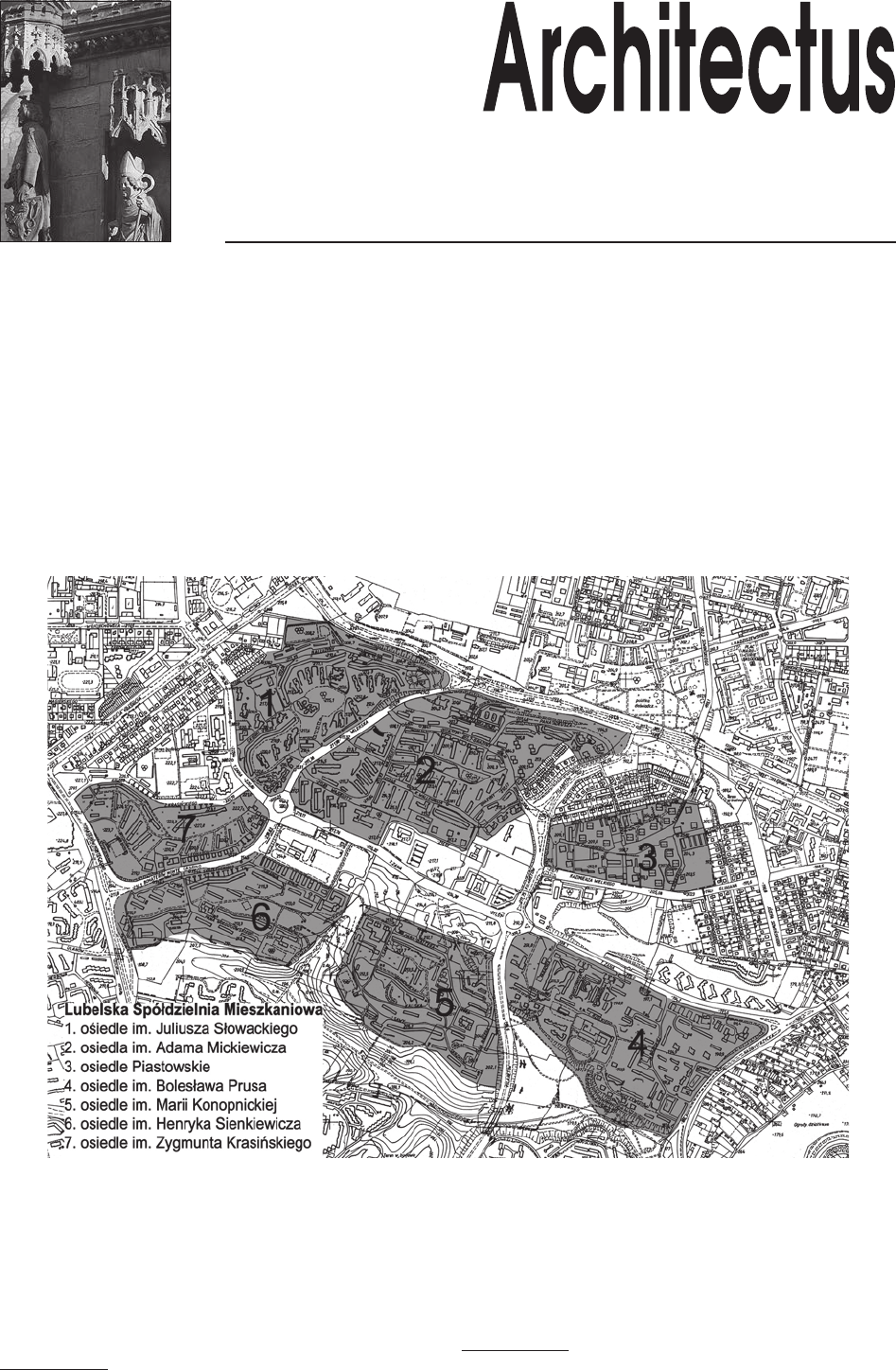
LSM included the following estates: Mickiewicz (1958), Słowacki
(1964), Piastowskie (1966), Krasiński (1970), Sienkiewicz (1973), Ko-
nopnicka (1974), and Prus (1975).
*
Wrocław University of Technology, Faculty of Architecture.
**
University of Life Sciences in Lublin.
Fig. 1. LSM Housing Cooperative in Lublin. Elaborated by author
172 Elżbieta Przesmycka, Małgorzata Sosnowska
During ten years the population of the city doubled. On 25
April 1957 the rst meeting of the founding members of
the cooperative took place. The city authorities designated
the area of about 42 hectares situated in the district ‘Rury’
within circa 5 kilometers from the city centre for the con-
struction of a new Cooperative housing estate [15, 16].
Adam Mickiewicz Estate
The rst housing estate to be built within the frame-
work of the Lublin Housing Cooperative was Adam
Mickiewicz Estate
2
. At the same time, social and tech-
nical infrastructure was created, including shopping and
service centres, outpatient clinics, schools, kindergartens,
social clubs and libraries [3, 4, 11].
The transportation system of the estate was arranged in
a way that separated pedestrian trafc and vehicular traf-
2
The design author was Feliks Haczewski. Construction works
were started in June 1958 and the rst ats were given to the residents in
December 1959.
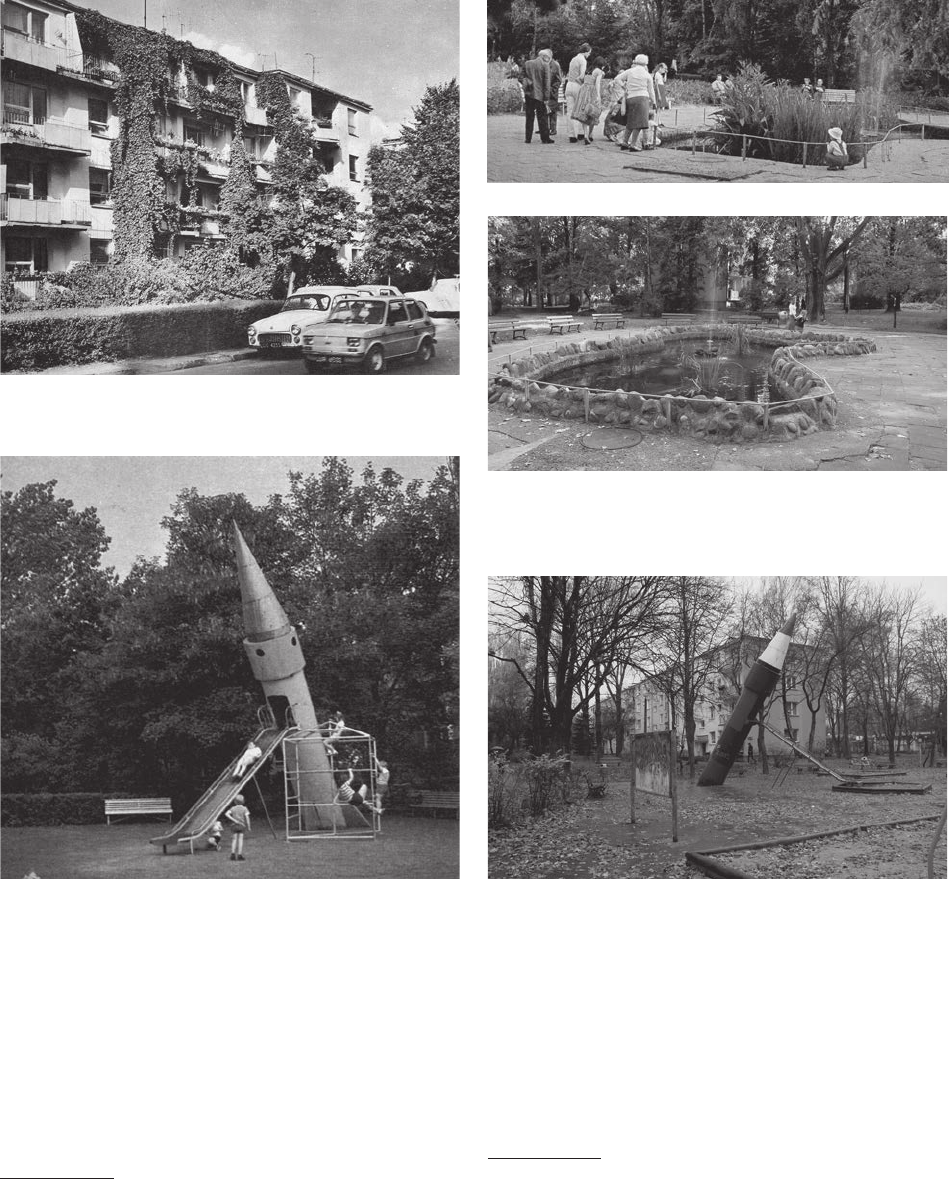
Fig. 2. The Mickiewicz Estate in the 1980s [5]
Fig. 3. Fountain on the Mickiewicz Estate in the 1980s (a).
The same fountain in 2008, photo by M. Sosnowska, 2008 (b)
Fig. 4. Playground on the Mickiewicz Estate in the 1980s and today. Photo by E. Przesmycka, 2010
3
c. Simultaneously, the intra-estate areas were developed
by creating recreation places for residents accompanied
by planting high green elds, plants and characteristic
for this estate numerous rock gardens. Urban planning
of the estate was not distinguished in any particular way,
however, the green areas covered more than 20 hectares
[5, 9].
3
Figures 1–4 from the 1980s were taken from the Cooperative folder:
Gnot L., Nowy Lublin, Osiedla Lubelskiej Spółdzielni Mieszkaniowej,
Wojewódzki Ośrodek Informacji Turystycznej w Lublinie, Lublin
1987.
a)
b)
Housing estates and culture of architecture 173
Juliusz Słowacki Estate
It was built as the second estate within the framework
of the Lublin Housing Cooperative. The authors of the de-
sign were Zoa and Oskar Hansen [1]. The estate was built
in the years 1964–1970 according to the concept of ‘Open
Form’, which was elaborated by Oskar Hansen
5
[2].
In the transportation system of the Juliusz Słowacki
estate, some innovative solutions were employed with re-
gard to the segregation of pedestrian trafc and vehicular
trafc. Vehicular trafc was excluded from the interior
areas of the estate, while garages and car parks were lo-
cated on the outskirts of the estate. The estate access roads
were designed from the northern side of the whole com-
4
Source: Lublin trzech pokoleń, Lublin 1987.
5
The idea of ‘Open Form’ was formulated and proclaimed by Hansen
in 1959 during the congress of CIAM in Otterlo, where it was met with
great interest of architects. The idea assumed a possibility of residential
and urban environment formation by every single resident, space forming
through various human activities and resignation from the artist’s superior-
ity in the design process. In 1966 Hansen elaborated the theory of Linear
Continuous System (LSC). It transposed the Open Form into the urban
scale. The LSC ideas assumed a band division of space into zones with
various functions and resignation from the traditional division into the
centre and suburbs. This idea was employed when designing the Juliusz
Słowacki Estate where residential parts were divided by service zones
and green zones. The project assumed that each place of the residential
zone had a different relation with green and service zones, but the relation
was the same as regards distance and access.
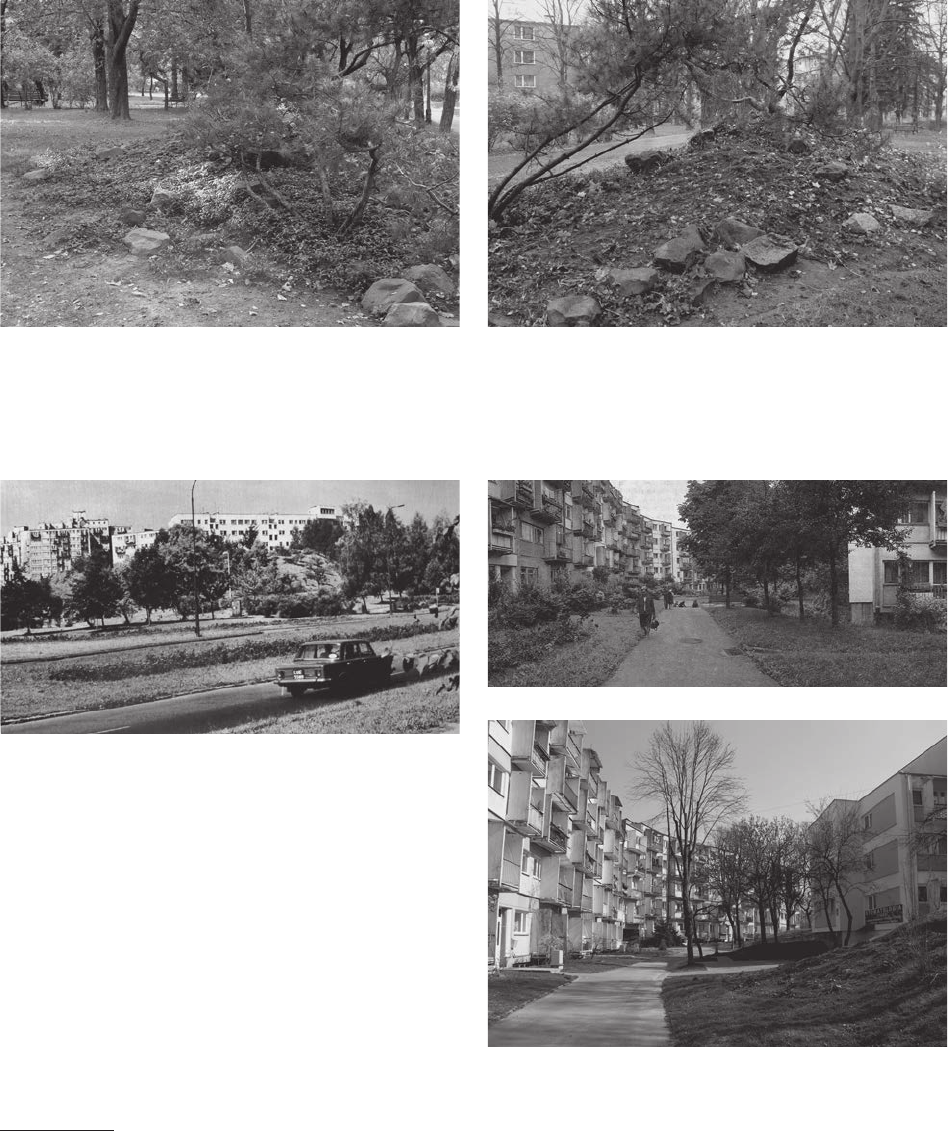
Fig. 5. Remains of the rock gardens on the Mickiewicz Estate, photo by E. Przesmycka 2010, M. Sosnowska, 2007
plex. The basis of the estate composition constituted three
long, segmented, ve-storey residential buildings (Fig. 7).
Perpendicular to them, there are three shorter ve-storey
buildings. The entire complex opens up to the south where
there are recreation areas of the estate. These buildings
are completed by eleven-story buildings. The social and
technical infrastructure was created at the same time as
the residential buildings. With reference to the idea of the
Linear Continuous System, the estate system is divided
into bands: serviced zone – ats, northern servicing zone
– vehicular trafc, southern servicing zone – recreation,
Fig .6. Słowacki Estate in the 1980s
4
[8]
Fig. 7. Band type buildings of Słowacki Estate,
photo by M. Sosnowska, 2007 (a).
The state from 2007, photo by E. Przesmycka, 2010 (b)
a)
b)
174 Elżbieta Przesmycka, Małgorzata Sosnowska
relaxation. In the northern zone, the Hansens designed
most of such laborious functions as garages, car parks,
rubbish places, transformer stations, utility areas, shops,
etc. In the southern zone situated in the interior part of
the estate there were playgrounds and recreation places,
social club, kindergarten and estate park. While imple-
menting the idea of ‘Open Form’, the designers assumed
the possibility of various processes of merging residential
interiors and at the same time individual creation of space
by the residents.
Piastowskie Estate
Design works on the Piastowskie Estate started in
1966 and the building process commenced one year
later. In this estate, some ready-made architectonic proj-
ects of residential buildings were used
6
. Similarly to
the previous estates, a very important role was played
by green areas and the rich program of associated infra-
structure.
6
The arrangement of the buildings and land development project
were made by a Lublin architect Antoni Herman.
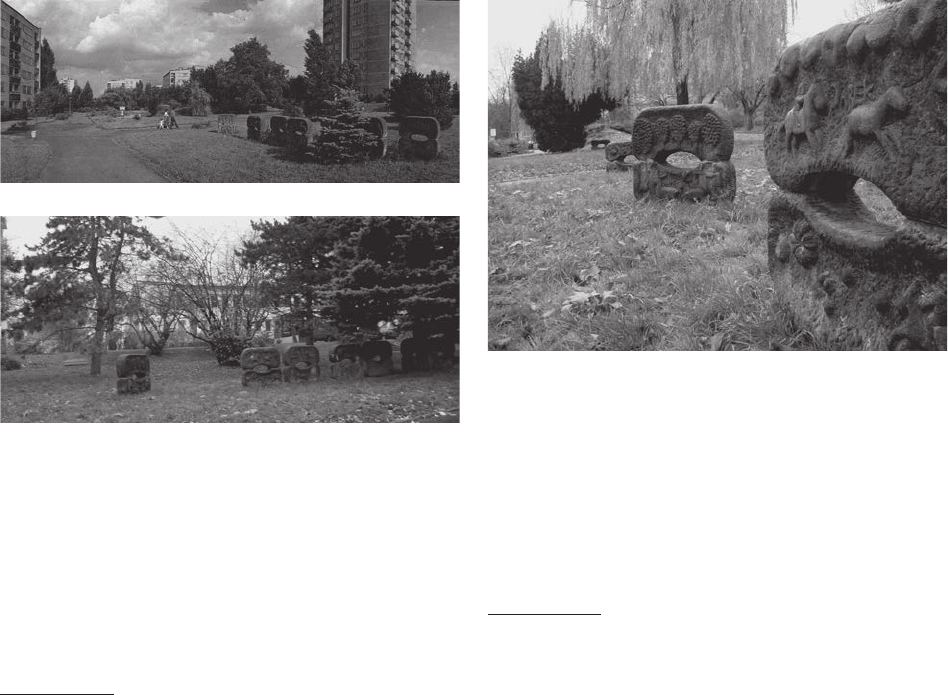
A characteristic feature of the central part of the estate
is the sculptures made in sandstone
8
[7]. The sculptures
are covered with the reliefs made on the basis of chil-
dren’s drawings.
7
Source: L. Gnot, Nowy Lublin, Osiedla Lubelskiej Spółdzielni
Mieszkaniowej, Wojewódzki Ośrodek Informacji Turystycznej w Lublinie,
Lublin 1987.
8
The sculptures were made during the Lublin Artistic Meetings
which were organized in the years 1976–1978; the authors were: Barbara
Zbrożyna, Jadwiga Janus and Michał Leszczyński.
Fig. 8. Piastowskie Estate, central square in the 1980s
7
(a)
and today with the preserved sandstone sculptures,
photo by E. Przesmycka, 2010 (b, c)
Characteristics of the LSM estate spaces
The LSM, similarly to the majority of the housing es-
tates which were built in Poland in the postwar period,
was characterized by large inter-estate areas and mini-
malist solutions of the buildings’ structures and the great
empty facades were conducive towards the free process of
engaging into various artistic activities. The Lublin Hous-
ing Cooperative was one of the few institutions existing
then in Poland which paid particular attention to the estate
formation process.
In the 1970s in the LSM estate spaces there appeared
many elements of small architecture, including numerous
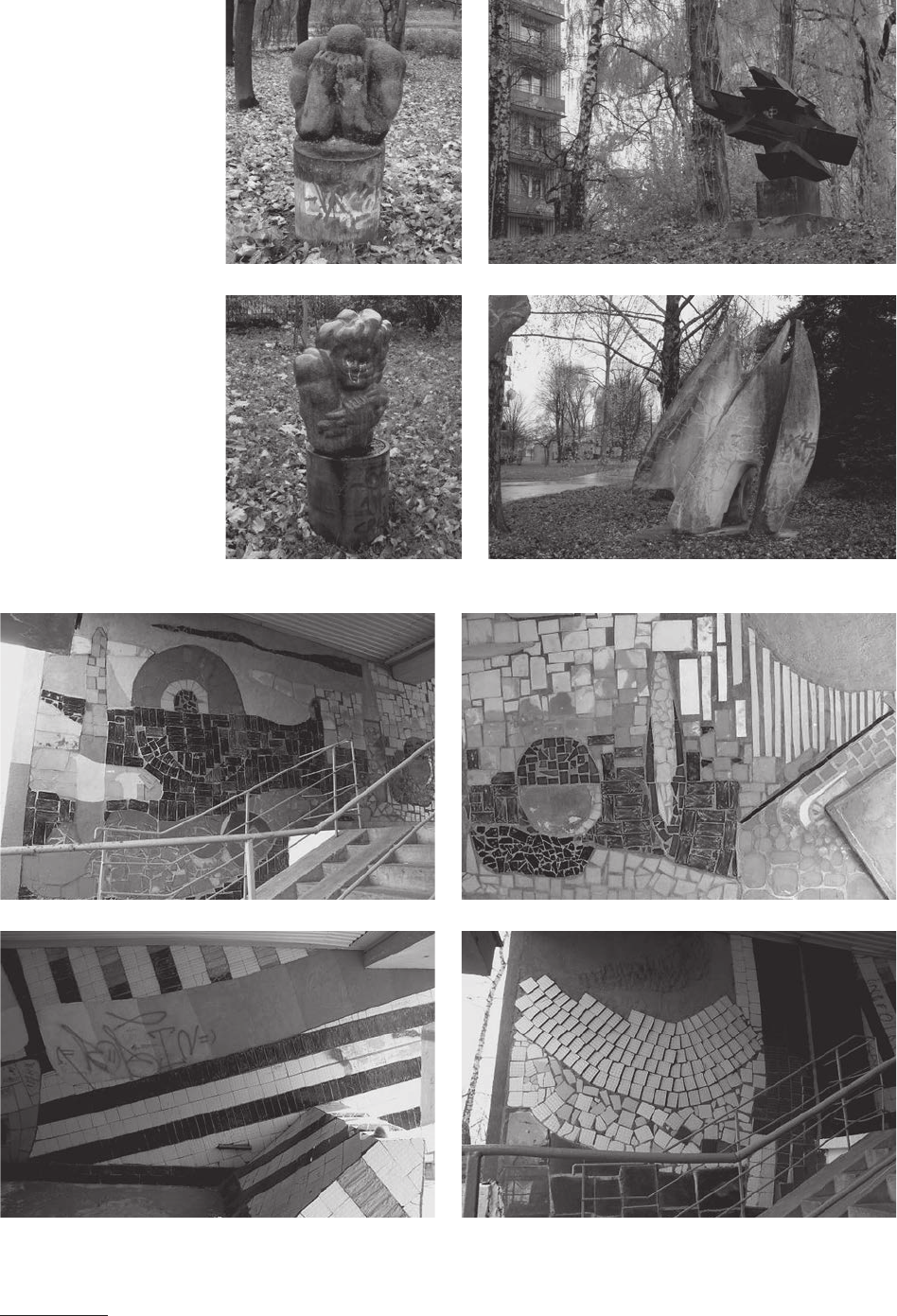
sculptures. Along the lanes and on the squares modern sculp-
tures were placed, some of which exist until today; they
are often forgotten, damaged and not restored (Fig. 9).
On many squares fountains were built along, with spe-
cial playgrounds for children and benches to sit on, all
surrounded by well planned green areas. All this helped
the residents live in friendly surroundings which were
characterised by a relatively high level of ‘culture of ar-
chitecture’, despite the times of the industrial uniformed
building technologies and many drawbacks in the existing
town planning solutions. One of the examples of activities
undertaken in order to improve the socialist estates image
was the organization of artists’ meetings at which the is-
sues of graphic setting of urban spaces were discussed.
In the years 1976–1978 within the framework of the
Lublin Housing Cooperative (LSM)
[7], Lublin Artistic
Meetings were organized. A number of graphic artists as
a)
b)
c)
Housing estates and culture of architecture 175
9
The sculptures were made during the Lublin Artistic Meetings, among other by B. Zbrożyna, J. Janus oraz M. Leszczyński, I.J. Kamiński,
O sztuce w Lublinie, [in:] T. Radzik, A.A. Witusik, Lublin w dziejach i kulturze Polski, Lublin 2000.
Fig. 10. Mosaics made during the Meetings of Artists in 1976 in the passage of residential buildings
in the Słowacki Housing Estate LSM in Lublin. Photo by M. Sosnowska, 2008
Fig. 9. Remnants
of numerous sculptures
exhibited on the LSM
estates
9
[7]
176 Elżbieta Przesmycka, Małgorzata Sosnowska
well as architects from all over Poland and students of
ne arts academies took part in this meeting. The goal
of these meetings was the integration of graphic arts
within the urban environment. As a result, a number of
sculptural works were realized as well as paintings and
mosaics on gables and in entrance areas of buildings. Be-
fore they were completed, these works were discussed
with the residents of the LSM estates and then present-
ed at numerous exhibitions and meetings in the artistic
circles. These works added splendour to various places
within the estates for almost fty years. Now, most of
these paintings and mosaics are destroyed due to in-
sulation works carried out on the residential building
and restoration of the public utility buildings. The only
ones which are preserved until today are the mosaics in
the passages between buildings on the Juliusz Słowacki
Estate (Fig. 10).
The estate spaces were complemented by numerous
shopping and service centres, social clubs, kindergartens,
nurseries, passages and market squares. Amphitheatres,
sleighing hills as well as other forms of small architec-
ture were constructed on some estates. While carrying out
such realizations, architects had a chance to demonstrate
their professional skills as they were not forced to design
buildings with the use of the large concrete slab technolo-
gies. These small complexes and separate buildings often
situated in the central parts of the estates presented a high
level of architectural culture.
The realized structures were covered up with natu-
ral stones, i.e. common granite, fashionable porphyry or
sandstone facing. Shopping arcades were often covered
up with clinker or brick slabs or they had walls made of
glass bricks. A good example here is the shopping cen-
tre designed by Oskar Hansen situated on Zana Street or
buildings of kindergartens and schools on the Piastowskie
Estate.
The period of political transformations brought
about some signicant changes in the urban and archi-
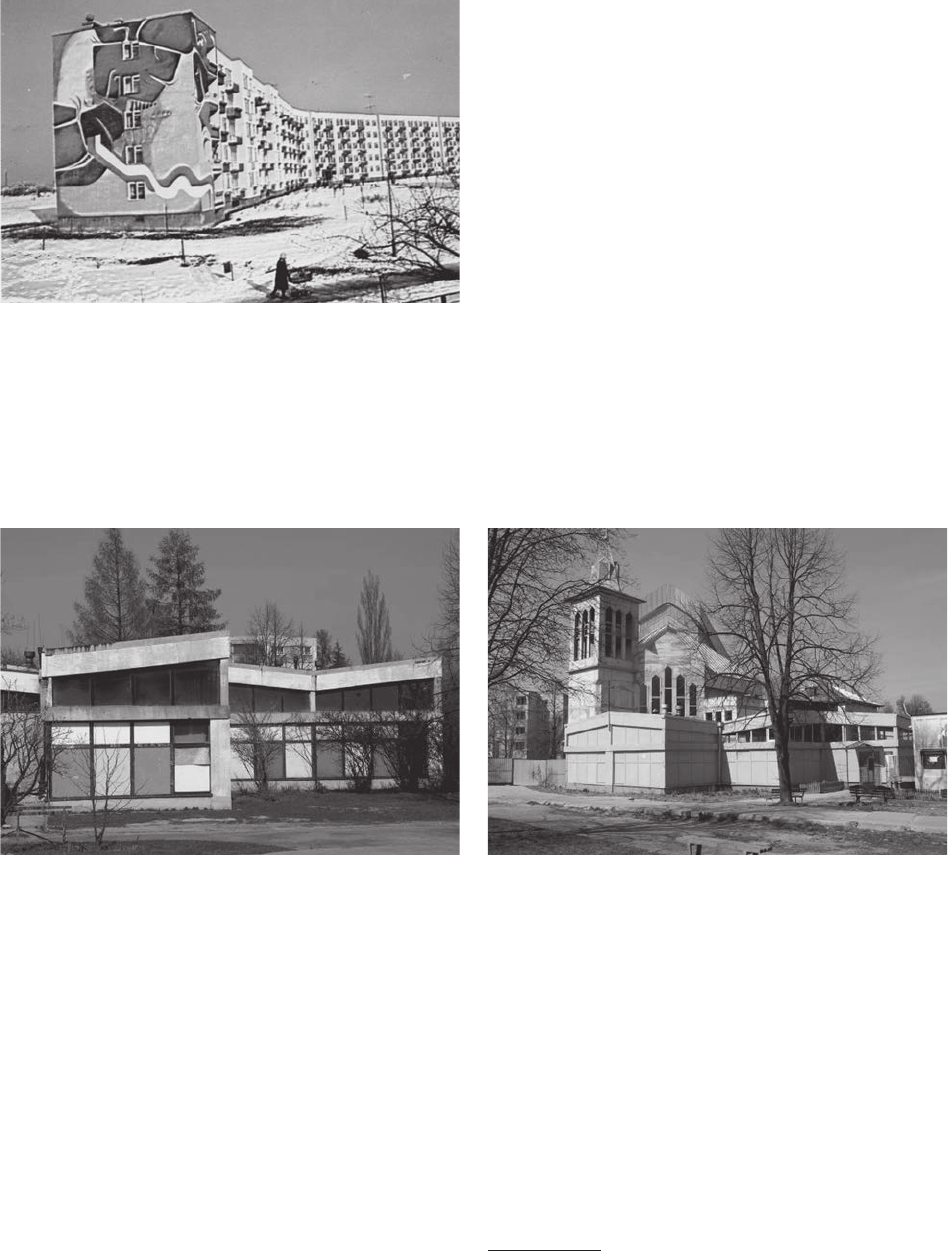
Fig. 11. The painting composition (it does not exist now)
on the gable of the building on the Krasiński Estate.
Source: Gnot L., Nowy Lublin, Osiedla LSM, Wojewódzki
Ośrodek Informacji Turystycznej w Lublinie, Lublin 1977
Social infrastructure of the LSM
tectonic expression of the majority of the estates. Para-
doxically, it is only on the most neglected estates that we
are still able to identify the art of architecture of those
past years. Due to the commonly executed thermal insu-
lation of buildings, many of their specic features were
lost, for example kindergartens or nurseries. At the same
time, changes of ownership or alteration in the purpose
of the particular buildings led to many conversions. So-
cial clubs and trading centres changed owners which
in many cases resulted in changes of their original pur-
pose
10
[12].
10
A famous case was when a private entrepreneur illegally added
a storey to one of the shopping centre buildings designed by O. Hansen;
this action did not take into account the ownership rights and the whole
scale of the market complex. This situation caused a discussion among
Lublin artists on the need to protect the valuable architecture of the 20
th
century which is not listed in the ofcial monument register. A similar
discussion on the protection of the contemporary urban systems took
place when the Blessed Piotr Jerzy Frassati church was to be built in the
centre of this estate.
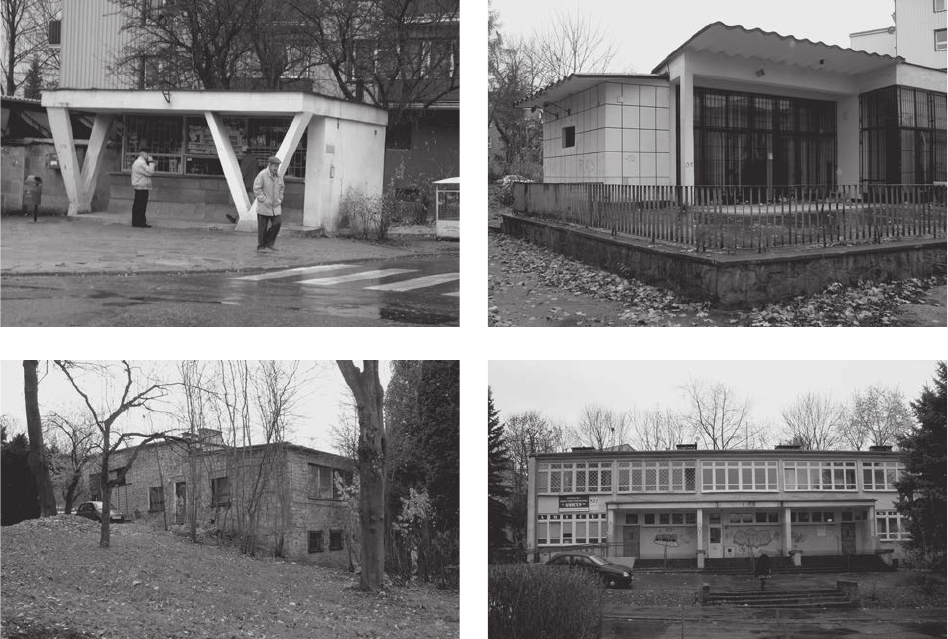
Fig. 12. Shopping centres designed by Oskar Hansen on the Słowacki Housing Estate, LSM Cooperative in Lublin
Housing estates and culture of architecture 177
The actions which have been carried out in the recent
years aimed at improving the esthetics of the housing es-
tates in Lublin, similarly to the majority of other Polish
cities, are mostly limited to thermal insulation of the build-
ings and colour renovation of the façades. Thermal insu-
lation of the buildings is met with great approval of the
estate residents as it contributes to the reduction of utiliza-
tion costs of the ats. The quality of the proposed solutions
in terms of colours which are introduced while insulating
the buildings seems to be less important for the residents.
Usually, the choice is made by the administration workers
and the residents have nothing to say. There is no social
discussion on the esthetics of the proposed designs. The
projects of colour renovation do not refer in any way to the
original colours or to the employed nishing materials. In
many of the buildings the original façades were covered
with mineral plaster work, sometimes with various tex-
ture. After the thermal insulation with foamed polystyrene
or mineral wool, the building lost their modernistic form
and the deeply placed window openings complement this
image of the modern residential architecture. On the Ju-
liusz Słowacki Estate of the Lublin Housing Cooperative,
where the process of thermal insulation of the buildings
has not been carried out on a comprehensive scale yet, we
can still see the original façades which were designed by
Oskar Hansen (Fig. 10) [8, 10].
Fig. 13. LSM estate shopping centres. Photo by E. Przesmycka, 2010
Current activities of the Cooperative and culture of architecture
Actions initiated by the residents
The residents of the housing estates also feel the need
for artistic expression and they wish to mark their pres-
ence in the estate space. The residents’ activities may be
spontaneous or they can be initiated by the local cultural
centres, culture animators or people with a passion. In
July 2009 the young activists of the Culture Animation In-
cubator at the Lublin Cultural Centre organized a festival
named ‘Osiedlówka’ on the Tatary Estate. As part of this
festival, a workshop was organised on street art combined
with grafti lessons. During the workshop, the residents
themselves could make grafti and murals. These activi-
ties were met with great approval of the young residents
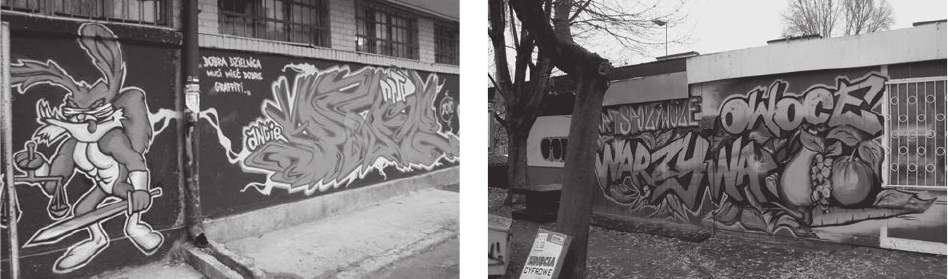
of the estate. In 2010 some anonymous artists made graf-
ti works on the back walls of the public utility buildings
(Fig. 14). Although grafti art is commonly regarded as
vandalism, these anonymous works were warmly received
by the local youth as well as by the elderly residents of the
estate.
178 Elżbieta Przesmycka, Małgorzata Sosnowska
Conclusions
The so called housing estate culture of architecture
comprises many elements.
Apart from the quality of the buildings which undergo
aging processes on the one hand, while on the other hand
they are modernized and revitalized with various esthetic
effects, we also have to take into account the elements of
estate territory development. Shortly after the estates were
built, various actions were taken in order to form esthet-
ics of the housing estates and their architecture. Presented
Key words: Lublin, culture of housing estates Słowa kluczowe: Lublin, kultura osiedli mieszkaniowych
Fig 14. The back elevation of the service centre on the ‘Tatary’ Housing Estate. Grafti made by the young residents of the estate
in our article, the small architecture structures or estate
shopping centres which have been preserved until today,
were supposed to make the industrial housing estate forms
and typical residential buildings look more beautiful and
they also complemented the employed urban planning
solutions. Some of the preserved elements of the façade
decorations or entries to the buildings are often the only
remnants of the 1950s and 1960s architecture. Therefore,
it seems necessary to protect them [13, 14].
References
[1] 50 lat Lubelskiej Spółdzielni Mieszkaniowej, Lublin 2007.
[2] Architektura modernizmu, Kraków, Lublin, Otwock, E. Przesmycka
(ed.), Wydawnictwo Politechniki Lubelskiej, Lublin 2008.
[3] Dębiec-Kalinowska B. (ed.), Lubelska Spółdzielnia Mieszkaniowa,
ZW CRS, Warszawa 1968.
[4] Gawarecki H., Gawdzik C, Ulicami Lublina, Lublin 1976.
[5] Gnot L., Nowy Lublin, Osiedla LSM, Wojewódzki Ośrodek Informacji
Turystycznej w Lublinie, Lublin 1977.
[6] Gnot L., Nowy Lublin, Osiedla Lubelskiej Spółdzielni Mieszkaniowej,
Wojewódzki Ośrodek Informacji Turystycznej w Lublinie, Lublin
1987.
[7] Kamiński I.J., O sztuce w Lublinie, [in:] Radzik T., Witusik A.A.,
Lublin w dziejach i kulturze Polski, Lublin 2000.
[8] Lublin trzech pokoleń, Wydawnictwo Krajowa Agencja Wydawnicza.
Lublin 1987.
[9] Przesmycka E., Sosnowska M., Przeobrażenia układów zieleni
osiedlowej na przykładzie zespołu im. Adama Mickiewicz Lubelskiej
Spółdzielni Mieszkaniowej, [in:] Czasopismo Techniczne. Architek-
tura, 10/2007, Wydawnictwo Politechniki Krakowskiej 2007.
[10] Radzik T., Witusik A. A., Lublin w dziejach i kulturze Polski, Lublin
2000.
[11] Rozenberg I., Rozbudowa Lublina, Architektura, 4/1959, ZG
SARP.
[12] Sosnowska M., Modernizm powojenny na przykładzie wybranych
lubelskich spółdzielczych osiedli mieszkaniowych z lat 60 i 70 XX
wieku, [in:] E. Przesmycka (ed.), Teka Komisji Architektury, Ur-
banistyki i Studiów Krajobrazowych O/PAN Lublin, Volume IV B,
Lublin 2008, pp. 203–211.
[13] Śliwa Z., Spółdzielczość mieszkaniowa w Polsce, Bydgoszcz 2004
[14] Urbanik J., Granice modernizmu – niechciane dziedzictwo Prob-
lemy dotyczące rewaloryzacji architektury powstałej po II wojnie
światowej w Polsce, [in:] E. Przesmycka (ed.), Teka Komisji Ar-
chitektury, Urbanistyki i Studiów Krajobrazowych O/PAN Lublin,
Volume IV A, Lublin 2008, pp. 62–74.
[15] Wojtkun G., Osiedle mieszkaniowe w strukturze miasta XX wieku,
Szczecin 2004.
[16] Zdunek A. (ed.), 50 lat Lubelskiej Spółdzielni Mieszkaniowej, Lublin
2007.
Osiedla mieszkaniowe a kultura architektury
W artykule poruszono problematykę kultury architektury wybranych
osiedli mieszkaniowych Lublina. Opisywane osiedla powstały w okresie
od końca lat 50. do początku lat 80. ubiegłego stulecia. Już na etapie
projektów lub krótko po ich powstaniu w osiedlach prowadzono działania
mające na celu poprawę estetyki przestrzeni osiedlowych oraz samej
architektury, angażując do tego celu specjalistów: artystów plastyków,
urbanistów, architektów i ogrodników. Zaproponowane przez nich roz-
wiązania upiększały formę architektoniczną uprzemysłowionej, typowej
zabudowy mieszkaniowej i dopełniały małą architekturą rozwiązania
urbanistyczne. Obecnie zachowały się jeszcze elementy wystroju ele-
wacji, wejść do budynków i pozostałości małej architektury. Konieczna
jest ochrona tych nielicznych już zabytków kultury osiedlowej. Niestety,
prowadzone powszechnie działania termorenowacyjne budynków i re-
witalizacyjne przestrzeni osiedlowych nie biorą pod uwagę możliwości
ich zachowania.